
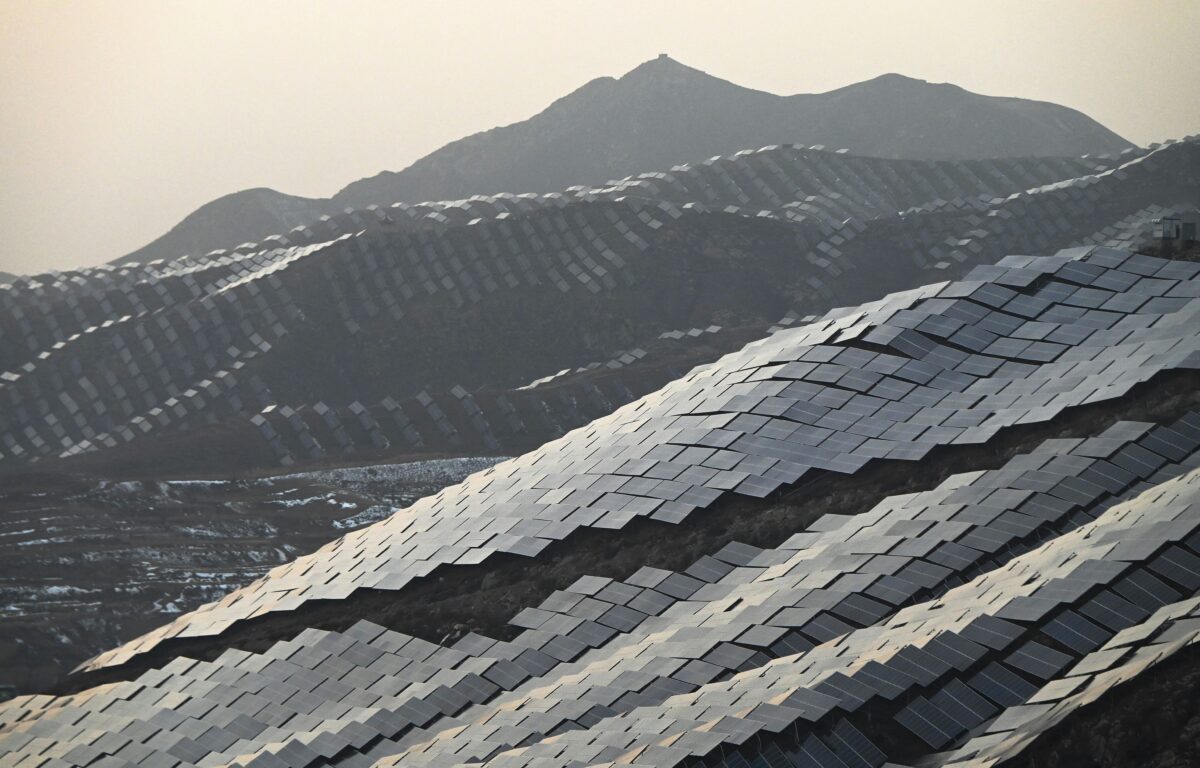
The global push toward net zero is creating a new kind of inequality built not on oil but on critical minerals. As countries scramble to replace fossil fuels with renewables, access to materials like lithium, cobalt, and rare earth elements has become the new marker of economic power. The International Energy Agency (2024) projects that mineral demand for clean energy technologies could nearly triple by 2030 and grow to more than four times current levels by 2040. This scramble has exposed a fundamental paradox: the transition meant to make the world more sustainable is, in many ways, entrenching old power dynamics in new forms. These inequities matter not only because they shape who profits from the green economy, but also because they determine who can afford clean energy, who gains access to stable electricity, and who is left dependent on older, more polluting systems. In this way, resource inequality threatens not just economic fairness, but also global progress toward equitable energy access and improved quality of life.
The world’s clean energy supply chains are highly concentrated, giving a few nations disproportionate control over the global transition. China currently controls about 91 percent of global refining and processing of rare earth elements used in magnets for wind turbines and electric vehicle motors, even though it accounts for roughly 60 percent of rare earth mining output (International Energy Agency, 2024). China is also responsible for about 90 percent of processing capacity for solar-grade polysilicon, which is essential for photovoltaic panels (World Bank, 2024). These bottlenecks resemble the oil cartels of OPEC except that the leverage now lies in green minerals instead of fossil fuels. The geopolitical consequences are already visible, including new export restrictions, trade disputes, and growing tension between the United States, the European Union, and China. A single disruption can delay renewable energy projects and jeopardize national climate targets (McKinsey & Company, 2024).
Resource-rich nations in the Global South are no longer constrained to the role of passive suppliers and are beginning to leverage emerging green asset markets to assert greater control over their resources. Indonesia has banned exports of unprocessed nickel to promote domestic refining, while Chile has partially nationalized its lithium sector to ensure state participation and higher revenues (Reuters, 2024). In Africa, the Democratic Republic of the Congo and Zambia have established a joint initiative to develop regional battery-manufacturing capacity and capture more value from cobalt and copper production (International Renewable Energy Agency, 2024). For decades, developing nations exported raw materials at low margins while bearing disproportionate environmental costs, but the growth of clean-energy industries has created new space for them to demand a fairer share of the economic benefits generated by the energy transition.
This assertiveness reflects three key motivations. First, many of these nations aim to capture greater economic value by moving beyond extraction into refining and manufacturing, a strategy often described by economists as industrial upgrading. Rather than remaining trapped in the low-profit tiers of global supply chains, they seek to domesticate high-value activities like battery production and mineral processing. Second, governments view critical minerals as strategic assets, using them to enhance national sovereignty and reduce dependence on Western or Chinese corporations that have historically controlled refining capacity. This pursuit of strategic autonomy allows nations to negotiate from a position of greater strength in trade and climate diplomacy. Third, these policies align with long-term development goals, creating jobs, expanding technological capacity, and using resource revenues to diversify their economies. In this sense, the push to control green assets is not only an economic correction but also a deliberate step toward self-determined growth and a more balanced global clean-energy system.
Wealthy countries are responding by turning inward, fragmenting what was once a global clean energy effort. Policies such as the U.S. Inflation Reduction Act and the European Union’s Green Deal Industrial Plan prioritize domestic manufacturing to reduce dependence on imports, particularly from China (McKinsey & Company, 2024). Although these measures increase local resilience, they risk excluding developing economies from participation in clean energy value chains. The International Renewable Energy Agency (2024) argues that a just and equitable transition requires shared investment, open trade, and technology transfer rather than the protectionist approaches that are gaining momentum.
The net zero race is accelerating, but without equitable supply chains the world risks reinforcing the same inequalities it seeks to overcome. If clean energy development continues to follow the old pattern of a resource-rich South and a manufacturing-rich North, the green revolution could reproduce global inequality under a sustainable label. A fairer future depends on creating multilateral frameworks for critical mineral governance, funding local processing and manufacturing in producer nations, and adopting transparent carbon and labor standards across all supply chains (World Bank, 2024). The clean energy transition cannot be considered a success if it leaves half the world behind; to make it truly global, it must ensure not only technological progress but also equity of inclusion, giving every nation the opportunity to participate meaningfully in and benefit from the systems that will define a decarbonized future.
References
International Energy Agency (IEA). (2024). Energy Technology Perspectives 2024: Critical Minerals and the Clean Energy Transition. Paris: IEA.
International Renewable Energy Agency (IRENA). (2024). World Energy Transitions Outlook 2024. Abu Dhabi: IRENA.
McKinsey & Company. (2024). Renewable-Energy Development in a Net-Zero World: Disrupted Supply Chains. McKinsey Sustainability Insights.
Reuters. (2024, May). Indonesia nickel export bans and Chile lithium nationalization: Global resource policy trends. Reuters News Service.
World Bank. (2024). Minerals for Climate Action: The Mineral Intensity of the Clean Energy Transition. Washington, DC: World Bank.